Share this article | Share newsletter
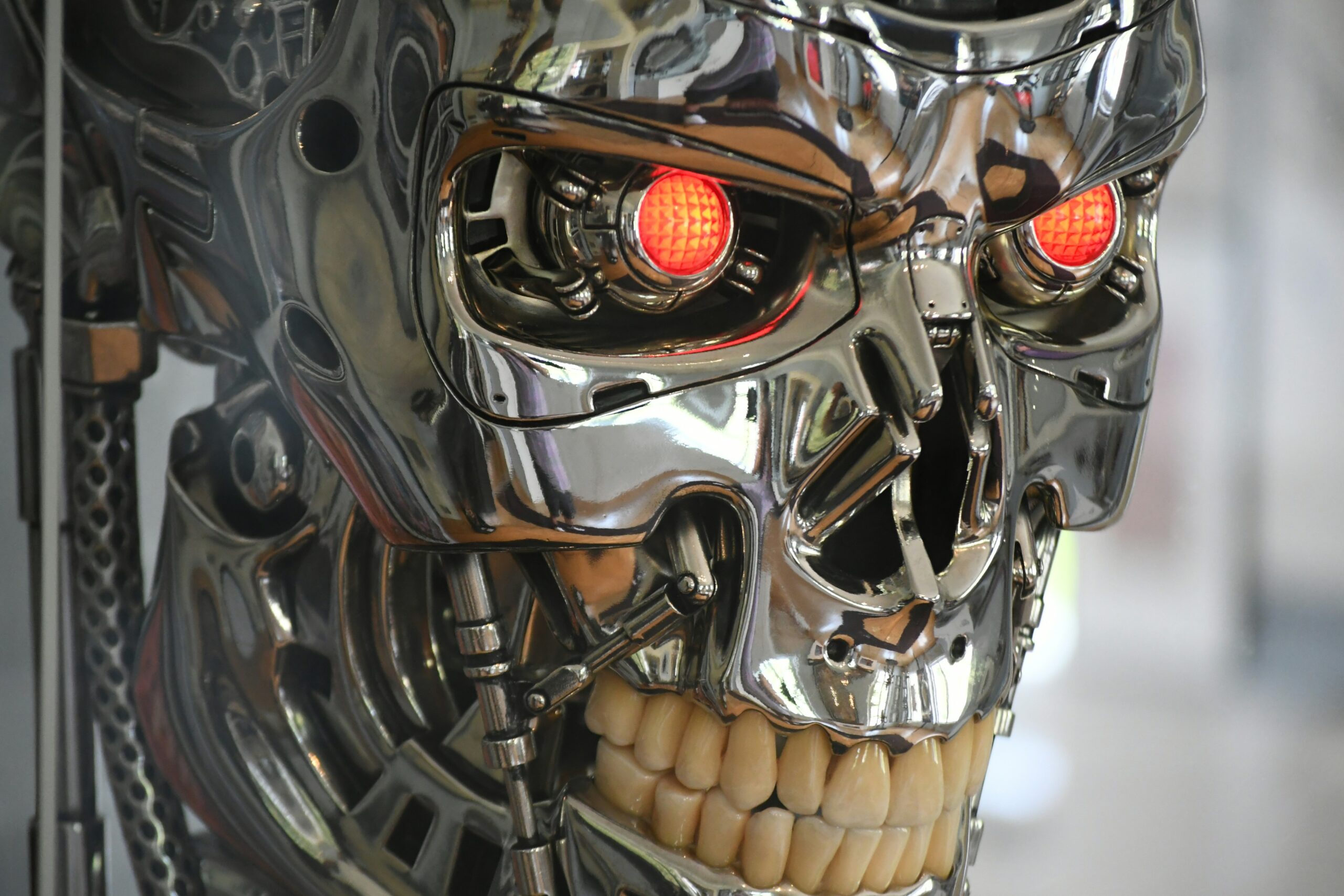
It’s hard to ignore the headlines about how A.I. might kill all humans in the coming years, and the existential crisis this is surfacing for so many people. I want to share from my perspective as a change specialist about why specifically this feels so overwhelming, and what we need to begin to counteract that.
First of all, there are two kinds of change:
- Circumstantial change—arising from conditions, decisions, and events outside our control
- Self-initiated change—arising from our intentions, choices, and aspirations
For most of us, the rapid development of A.I. is the epitome of a circumstantial change—and it’s causing extremely high levels of anxiety right now.
So what exactly makes certain changes more anxiety-producing than others?
In my experience, there are two ingredients or aspects of circumstantial change that influence how much anxiety we feel, throughout that process of change.
The two ingredients are:
- Uncertainty.
In any given circumstantial change—from an unexpected job loss, to a child having to relocate to a different city or country—it’s natural to feel a level of uncertainty. “What does all of this even mean? How might this impact me?” are questions we ask. “Will I be out of a job for a few months, or a few years? Which new school will I go to, and will I be able to make new friends?”
- Powerlessness.
One of the hardest aspects of change is when we feel there’s really nothing we can do about it. When we lose a loved one, we often feel powerless to have any control over the outcome, timing, and process. We ask, “what can I even do about this?”
These are two of the most common aspects of circumstantial change, that together can help us understand (and anticipate) how much anxiety we may experience with a given change. I teach this as a formula:
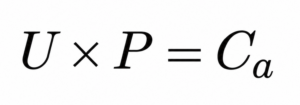
Uncertainty × Powerlessness = Change Anxiety
The higher the levels of uncertainty and powerlessness we feel, the more change anxiety we will experience.
As an example, think about COVID-19. When we first heard about this virus, there was so much uncertainty. First of all, we didn’t know much at all about the virus. How deadly was it, really? How did it spread—through the air or through liquid droplets or surfaces? Did we have to wipe down our countertops and groceries? What was social distancing?
I remember going to pick up groceries, and the clerk was so overwhelmed that she kept dropping items on the ground, and then trying to wipe them down with hand sanitizer. Nobody really knew what was going on, and what it would mean. Our level of uncertainty was about as high as you could get with this massive change.
How about powerlessness? Think about all the things we couldn’t do during COVID. For a while, we couldn’t send our kids to school. We couldn’t go to restaurants, the movies, or to church. Many people were not able to see loved ones, even those who were dying. Seen through this lens, it’s not hard to understand why lockdowns created so much anxiety. People wanted to do something—anything—and they felt powerless.
Now, consider our latest massive change, with the way A.I. is impacting every industry and job—and how we hear it’s a legitimate threat to human survival. Think about how much uncertainty is “in the air” on so many levels. “Will my job and industry even exist next year? How do I prepare my children for what’s happening? Will A.I. solve all our problems, kill us all, or both?”
There’s also nothing quite like a doomsday scenario to make people feel powerless. Is it too late to stop development and capabilities of A.I.? If our country slows progress, will other countries simply get ahead? It feels terrifying to put our livelihood and lives in the hands of A.I. companies, corporate moguls, governments, and potential bad actors. That captures the essence of just how powerless this can feel.
Reflecting on our formula, it’s no wonder our change anxiety is so high, given how much uncertainty and powerlessness we feel related to A.I.
Uncertainty × Powerlessness = Change Anxiety
So how do we begin to navigate circumstantial change, and all its related anxiety? What do we really need when change feels out of control? We’ll explore this in more depth in our next article, but here are two things that I believe we need the most.
- We need to process what’s happening.
- We need to have a sense of agency.
Many years ago, my father got sudden and unexpected news that he had to have open heart surgery. I remember the shocked look on his face when he got the news, and how it affected both him and our family. And this was only the beginning of more health challenges he would experience. At first, all of this was completely overwhelming. There was so much that was uncertain, and we all felt powerless to control much.
It took me a while to process my father’s health challenges—to have a better sense of what it all meant, and to come to terms with the implications for his life, for my mother, and for my relationship with him. And I needed to feel like I could do something—whether to talk to my father’s heart surgeon, encourage him, help with finding caregivers, and so on.
Things didn’t necessarily get easier as my father and our family went through this process. However, over time as I processed this change and found ways of having some agency, I was able to find meaning, connection, and even healing in unexpected ways. It’s not uncommon to hear similar stories from people who lose jobs, or children who move to different countries—who also are able to find peace and purpose on the other side.
We are living in a time of massive circumstantial change, and there’s a lot that feels out of control, and out of our control. But we are still in the very early stages of the matter of A.I., and what we need is to continue to process things, and figure out where and how we can begin to have more agency. We’ll unpack that more in our next article.
I hope this article was interesting to you or helpful for discussion in your team or group! If you ever want a trainer or facilitator to speak on these topics, I’m here. You can e-mail me or schedule a call on my website anytime.
Discussion or Reflection Questions:
- What is a significant circumstantial change you experienced growing up, or recently? How would you describe your levels of uncertainty and powerlessness throughout the process?
- What helped you the most to get through that change, or what would have helped you? How might you apply that wisdom to help you with a change you’re going through right now?
Found this article helpful? Pass it along to someone who might enjoy it, or recommend Adrian’s newsletter “Making Sense of Change” to someone who would appreciate these kinds of ideas.
Share this article | Share newsletter
You can also download a free pdf of this article by subscribing below. Thank you!