
Share this article | Share newsletter
Have you ever heard someone say, “I need some time to process what just happened” or, “I haven’t even processed this yet?”
I remember feeling this way the afternoon I found out my father had suffered a massive stroke. I stayed up most of the night at the hospital, fighting to stay awake because I didn’t know what minute or moment might be his last. In the ensuing months, when someone would ask me the question, “How are you?” I didn’t really know how to respond. I hadn’t really processed all that had happened, and what it meant for me, my father, and our family.
One of the hardest things about circumstantial change, is that it’s often unexpected—and we haven’t had much of a chance to take in, and make sense of what’s happening. It can feel paralyzing and overwhelming, as it did for me when I got the news about my father’s stroke. During times like these, it becomes even more important for us to be able to process things.
But what does “processing” something mean, and what does it involve?
Most dictionaries define “processing” as some combination of introspection/analysis (e.g. “It took me a while to process what the professor was saying”: Merriam-Webster) and finding some measure of understanding or acceptance (e.g. “Returning soldiers need time to process what they have experienced in combat”: Cambridge Dictionary).
There can be many layers to processing, depending on the severity of our situation—but here’s an idea of how to get started.
To “process” a situation or circumstantial change, we need to do three things:
- “Name” it. We need language to describe what has happened, or is happening.
- Feel it. We can’t really metabolize something when it’s only in our heads or intellect. When we allow ourselves to feel the emotional impact of a situation (and not deny or repress it), we take another step towards processing it.
- Face it. In my experience, we truly “face” a situation when we begin to talk about it with others, and get support for it. We can only get so far, without relational connections and help.
This isn’t something only found in the psychological or “self-help” worlds. To take a far less serious example, I’m a sports fan and have always been fascinated by the world of sports talk radio and podcasts. The baseball season ended recently, and when a sports team like the Los Angeles Dodgers loses, many fans flock to talk shows. Why do they do that? Why would they want to relive bad news or disappointment by hearing others talk more about it?
I think people are needing and looking to process the loss. If you pay attention to the content of these post-game shows, they attempt to name what just happened, or what went wrong. What players didn’t play well? What decisions were the wrong ones? People are looking for language to make sense of the situation.
The shows also provide space for the feelings that fans have—frustration, disappointment, anger, sadness, and so on. The fans that call in or comment are usually needing a means to vent their emotions.
And of course, they’re getting some measure of comfort facing the loss—or their disappointment—in a community of other fans who are “in it together.”
Again, sports is usually not the most weighty topic in a person or community’s world—but it shows that the three elements of “processing” are happening everywhere, if you look around. People will always be looking for language, emotional expression, and community as they try to make sense of the situations happening in their lives and world.
Do these three elements (name it, feel it, face it) sound obvious or elementary to you?
I’ll say—both from personal experience and from working with many people and companies throughout the years—that doing these three things is incredibly hard for most people to do.
The more personal things are to us, the harder things are to process. It’s one thing to say, “my sports team stinks, and they need to get better!” and another to say, “My family is going through an incredibly stressful time, and I am fearful and overwhelmed. I don’t handle stress and conflict very well, and I need help to get better at that.”
And consider why all three elements are difficult to do:
- “Name it”: When emotions and anxiety are running high, it’s not easy to find the right language to name what’s really happening. People and organizations mis-diagnose and mis-attribute situations and problems all the time.
- “Feel it”: It’s also harder than one might think to “feel” emotions in a healthy, balanced way. There are a lot of cultural and societal forces that put pressure on us to intellectualize, repress, and minimize our feelings. Other times, strong emotions can flood all sense of objectivity and decision-making in a way that’s not helpful.
- “Face it”: And perhaps the hardest thing of all is for people to face their situations and challenges by getting the support and help they need. It doesn’t help that we live in a time of increasing isolation and disconnection—where it’s too easy to scroll through our devices, rather than talk to someone or meet up in person to connect about work, life, and challenges.
Why does all of this matter, in the big picture of things?
In a previous article, I wrote that uncertainty and powerlessness are two elements that elevate our level of anxiety, when we face challenging circumstantial changes.
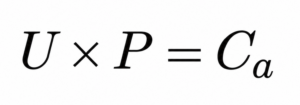
Uncertainty × Powerlessness = Change Anxiety
I wrote that one of the keys to better managing and navigating change is to begin to process what we’re going through. The other key is to have a sense of agency, which we’ll unpack in a future article.
If we can begin to do these two things—even just a little—it will allow for better peace of mind and health in our lives, relationships, and organizations. We can move from high levels of change anxiety, to what I would describe as effective change navigation.
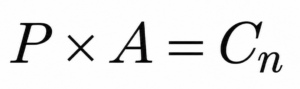
Processing × Agency = Change Navigation
Where does one start? Well, that’s honestly what I created The Change Navigation Company for! In all my trainings and services, I’ve created language to help people to name what they’re going through with various frameworks (the two “change formulas” in this very article, the “3 Zones of Change,” the “5 Kinds of Personal Losses,” the “3 Building Blocks of Effective Teams,” the “4 Keys to Influencing Change,” etc).
I also facilitate small group and team spaces where people can safely express emotions and get the support they need in community. Consider how a learning cohort on change and leadership might help your team or group. Or, try a workshop to spark fantastic discussions on some of these topics!
Looking back at my father’s stroke, it took me many years to truly process what was happening. I wish I had better language earlier in the journey, and a safe place to get support. But I believe that nothing in life is ever wasted—including our painful experiences—and so now my purpose is to provide these kinds of things for others!
If you’re looking for a speaker, facilitator or thought partner: I’d love for you to consider working with me. You can e-mail me or schedule a call on my website anytime.
Discussion or Reflection Questions:
- Think of a significant circumstantial change you experienced recently, or are going through now.
- Which of the 3 elements of processing (name it, feel it, face it) have you been able to do?
- Which of the 3 elements have been most challenging, and why? What do you think you need most to help you navigate your situation better?
Found this article helpful? Pass it along to someone who might enjoy it, or recommend Adrian’s newsletter “Making Sense of Change” to someone who would appreciate these kinds of ideas.
Share this article | Share newsletter
You can also download a free pdf of this article by subscribing below. Thank you!